History

In 1790, having invested in the Monmouthshire to Brecon canal, Benjamin Waddington bought a farm at Llanover.
His daughter, Augusta, later known as Lady Llanover was a fervent proponent of the Welsh language and culture which was declining as English became the dominant language in Monmouthshire. She encouraged her employees, tenants and guests to wear clothes made of tweed woven from the wool of her flock of Black Welsh Mountain sheep, Welsh to be spoken and the Welsh triple harp to be played.
Together with her husband, Benjamin Hall, after whom ‘Big Ben’ is named, she bought and turned the local ale houses except for The Goose and Cuckoo into homes, to stop the men spending their earnings on alcohol.
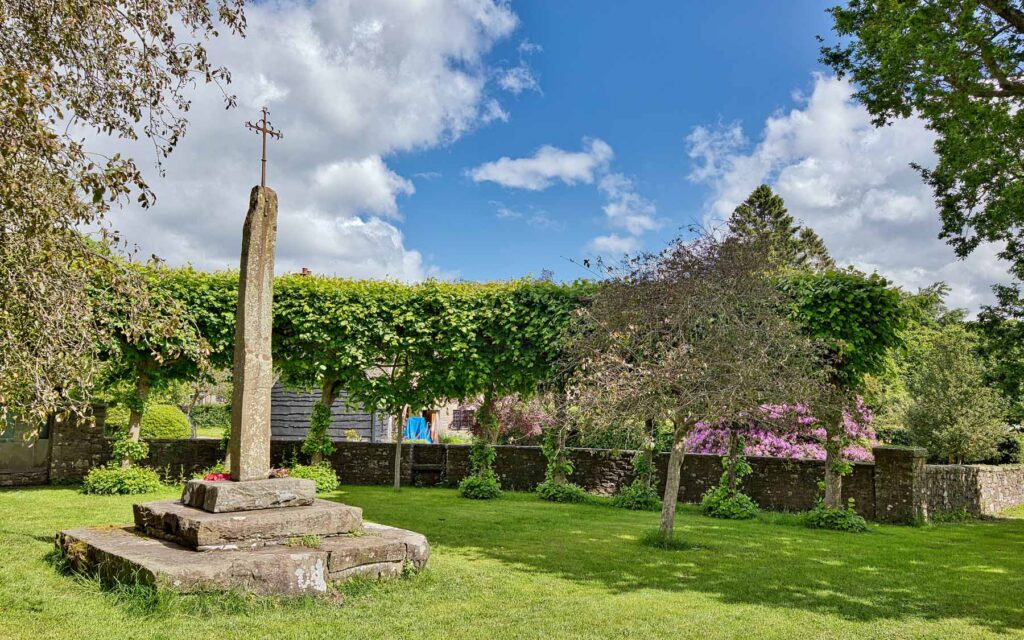
Llanover was a hamlet of scattered farms and cottages until 1925 when Lord Treowen, Lady Llanover’s grandson built houses and a school and planted Lime trees around a Memorial Green to commemorate the lives of the 17 men from Llanover, including his only son, Elidyr, who died in the First World War.
Robin Herbert, his great-nephew built more homes primarily for current and retiring employees. Ahead of his time, he planted thousands of trees which enhance the landscape today.
The present generation aware of the long tradition of managing the heritage and the challenges of climate change are committed to following sustainable practices when investing in the land, woodland and buildings which are their responsibility.